

High-THC cannabis concentrates: What you need to know
Today’s cannabis isn’t what many adults remember.
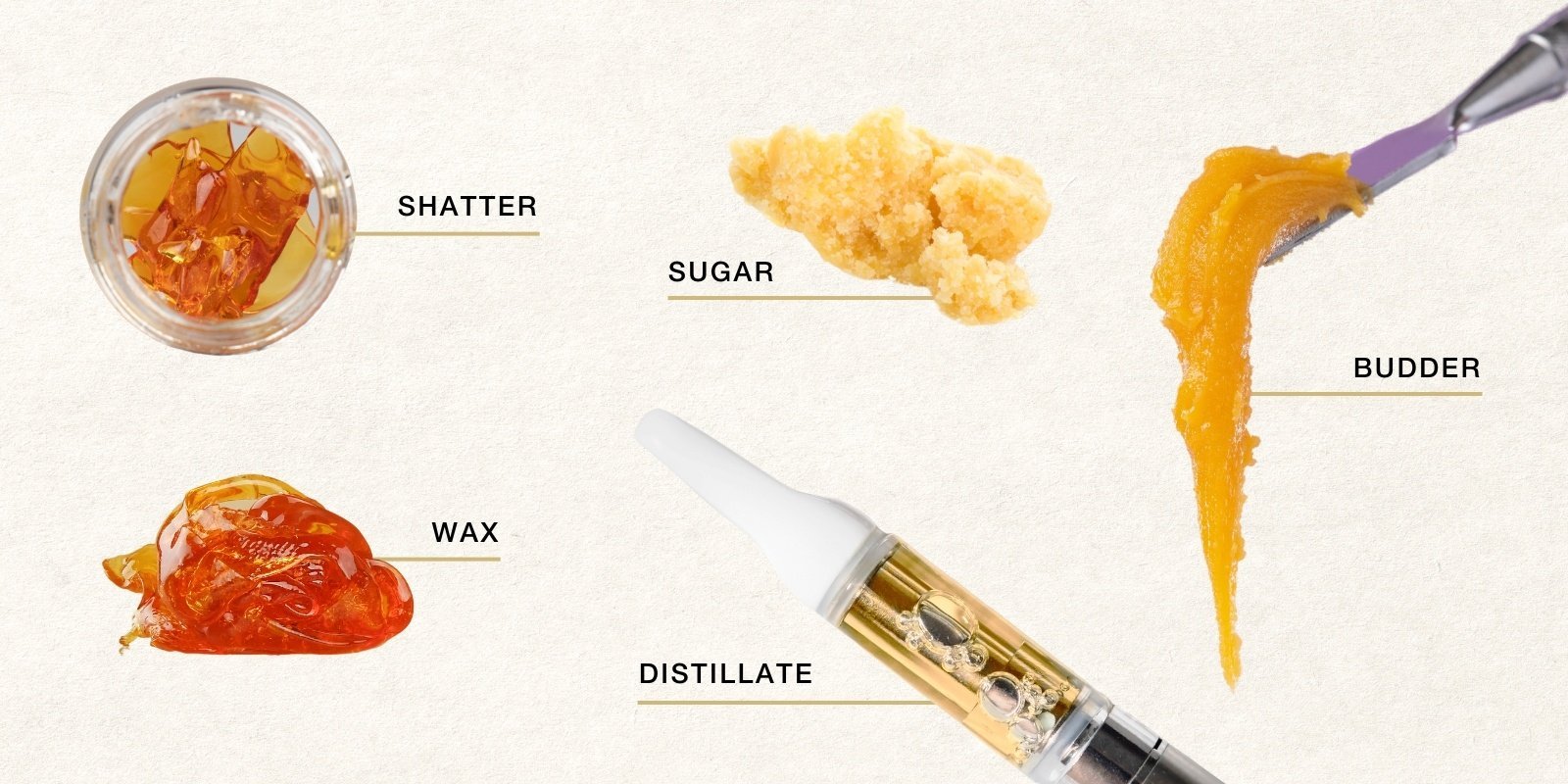
New marijuana products have moved way beyond the comparatively mild joints of previous decades. Concentrates—like vape cartridges (“carts”), wax, shatter, and dabs—deliver very high doses of THC quickly.
Colorado’s official warning about marijuana concentrates lists serious potential harms, including psychosis, other mental health problems, CHS (severe, repetitive vomiting), and cannabis use disorder/dependence.
Quick definitions: What are concentrates?
Source: University of Colorado Anschutz
Concentrates are cannabis extracts with high doses of THC, marijuana’s main mood-altering (high-inducing) chemical. They often show up as:
Vapes: cartridges/pods/pens
Wax/shatter/resin/rosin: a substance, often resembling earwax or glass, used with dab rigs that heat the concentrates to create vapor that is inhaled
Why it matters: Higher THC exposure is linked with a higher risk of mental health problems, including psychosis and addiction.
“There is no level of THC that is safe for an adolescent or a developing brain.”
— Libby Stuyt, MD

Colorado’s warning on marijuana concentrates
The State of Colorado’s marijuana concentrate warning highlights four specific risks:
Psychotic symptoms and/or psychotic disorder (delusions, hallucinations, or difficulty distinguishing reality)
Mental health symptoms/problems
Cannabis Hyperemesis Syndrome or CHS (uncontrolled and repetitive vomiting)
Cannabis use disorder/dependence (physical and psychological dependence)
The State of Colorado’s marijuana concentrate warning contains a wealth of additional information. These warnings are required by the State of Colorado with the sale of THC concentrates.

Hear the facts from an expert, Colorado Psychiatrist Libby Stuyt, MD
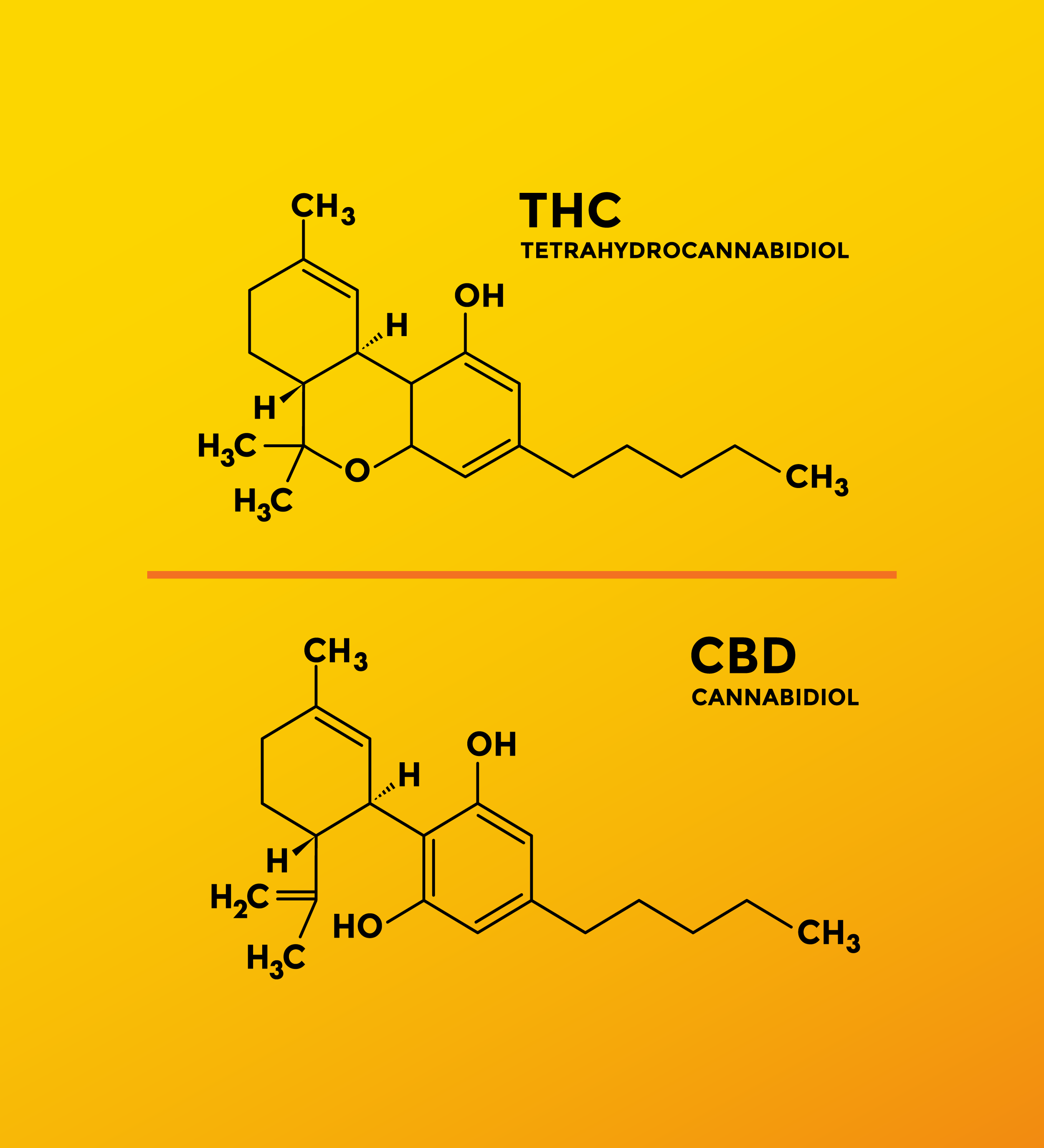
Cannabis contains hundreds of chemicals, but THC and CBD are the best known.
THC (tetrahydrocannabinol)THC is the main psychoactive compound in cannabis; it’s what causes the “high.”
Higher THC potency or concentration is more likely to trigger mental and physical health problems.
CBD (cannabidiol)CBD is not intoxicating.
Some research suggests CBD may moderate some effects of THC.
Some products called “CBD” may actually contain psychoactive THC derived from the hemp plant. These can be found in some grocery stores, convenience stores, and gas stations, and are often sold without age restrictions, testing, or health regulations.
Why you should care
Many of today’s products are designed to maximize a more potent intoxicating effect of THC and may have less CBD than the cannabis plant used to have. That can change the experience—and the risks—especially when use is frequent.
It’s not just a natural plant
Genetically engineered cannabis plants and industrial processes to extract THC create ultra-potent THC concentrates, unlike any marijuana plant that ever existed in nature.
THC vs. CBD: how they’re different
(and why it matters)

The biggest risks for teens and young adults
The human brain does not fully form until about 25 years of age and is therefore more at risk of harm.
Risk tends to rise with higher THC levels, frequent use, and starting at a younger age.
-
What it can look like:
Strong paranoia (“people are after me” / “everyone is talking about me”)
Hearing or seeing things that aren’t there
Extreme fear, agitation, or confusion
Beliefs that feel “absolutely true” but don’t match reality
High-potency THC products can make intense reactions more likely—especially with repeated use.
Psychosis may last for short or long periods. Not everyone who uses THC concentrates, regardless of method of intake, will experience psychosis.
-
Cannabis can be addictive for some people—especially with high-THC products and frequent use. Teen use dramatically increases the risk of addiction.
Signs that use may be turning into a problem:
Using more often than intended, or feeling unable to cut back
Irritability, difficulty sleeping, and appetite changes when not consuming
Losing interest in friends or activities, slipping school or work performance
Needing more THC to feel the same effect
Continued use despite anxiety, panic, or other harms
“The new high-potency THC products are extremely addictive.” – Libby Stuyt, MD
-
CHS is a condition linked to heavy cannabis use that can cause repeated vomiting, resulting in dehydration.
Common patterns include:
Cycles of nausea and vomiting that keep coming back
Temporary relief from extremely hot showers/baths
Symptoms improve when cannabis use stops
“When to seek care now” checklist:
Vomiting that won’t stop
Signs of dehydration
Severe abdominal pain
Inability to keep fluids down
-
Research shows that the top predictor of opioid use disorder is first use of marijuana before the age of 18.*
*Understanding Opioid Use Disorder (OUD) using tree-based classifiers - PubMed
Why concentrates raise risk: potency + frequency + discreet use
Concentrates make it easier to:
Get a very high THC dose very quickly
Use frequently (especially with discrete vapes that are easy to conceal, at home, school, or work)
As a result, users may consume far more THC, increasing the likelihood of problems.
Not all cannabis use looks – or smells – the same. Smoking marijuana results in a strong skunk-like smell. Vaping doesn’t, so it’s easier to hide and use inside.

Parents and trusted adults can support healthy choices
-
Children benefit from age-appropriate, honest conversations about substances. Explain why certain substances pose risks—particularly to the developing brain—and why your family prioritizes health and safety. Create a safe space where children can ask questions, share concerns, or talk about what they see among peers without fear of judgment.
-
If you expect your children to delay or avoid substance use, it’s important that your own choices reflect moderation, caution, and responsibility. This includes how often substances are used, not consuming in front of your children, how they are discussed, and whether they are framed as a coping tool, reward, or necessity. Instead of relying on “do as I say, not as I do,” work together as a family to build healthy habits, self-awareness, boundaries, and accountability.
-
Promote activities that reinforce positive coping and connection without substances—such as cooking, exercising, getting outdoors, volunteering, or problem-solving together. These shared experiences show kids that stress relief, fun, and bonding do not require drugs... In addition to parental modeling, teens benefit from other trusted adults who reinforce healthy norms—such as coaches, teachers, mentors, and relatives.
-
To change their children’s behavior, adults must be willing to examine their own. Young people absorb the attitudes and behaviors they see. By modeling thoughtful choices, openly discussing risks, and explaining your values around substances, you help strengthen your child’s decision-making skills and support their health.
Myth vs. Fact
Myth: “It comes from a natural plant, so it can’t be harmful.”
Fact: Many THC concentrates use highly processed extracts designed to maximize potency. Even today’s cannabis plants are genetically engineered to maximize THC.
Myth: “THC concentrates are basically the same as ‘weed’ or smoked marijuana.”
Fact: Concentrates deliver much higher THC doses, which can increase the likelihood of intense negative reactions and long-term mental health problems.
Myth: “If it’s legal, it must be safe.”
Fact: The brain continues to develop until age 25. Legal status for adults over 21 doesn’t eliminate marijuana’s health risks. The State of Colorado’s warning highlights serious potential harms, and teens and young adults are at greatest risk.
We’d like to know

Research and Resources
State of Colorado expert information
Resource from the Colorado School of Public Health: Tea on THC
Get additional support through these resources
El Paso and Teller County resources (click on Community Resources tab)
Safe2Tell: Anonymously report anything that concerns or threatens you, your friends, your family, or your community. But call 911 if there is an emergency in progress.
988 Colorado: The 988 Colorado Mental Health Line is available for free, immediate, human support 24/7.
One Chance To Grow Up: Resources for parents, policymakers, and media on THC and psychedelics legalization.
Medical disclaimer
This information is for educational purposes only and is not a substitute for professional medical advice, diagnosis, or treatment. Always seek the advice of your physician or other qualified health provider with any questions you may have regarding a medical condition.
Contact Us
Have questions or comments about the campaign and how to share it in your community? Need help accessing anything on this website? Please send us a message.
(This form is not for those needing resources or who are in crisis. If you need immediate support, please call 988. If you are in a life-threatening emergency situation, please dial 911).